



























When operational margins define success, manufacturers cannot afford production inefficiencies, data silos, or outdated management systems. Modern SAP ERP integration represents the difference between streamlined operations and costly operational waste, especially in complex manufacturing and production environments where every process optimization directly impacts profitability. Today’s SAP-integrated production systems deliver capabilities that extend far beyond basic resource planning, creating comprehensive operational management platforms that maximize efficiency while maintaining the strict compliance standards essential for manufacturing excellence.
The manufacturing sector operates on increasingly competitive margins where operational costs can consume up to 70% of total production budgets. In this environment, integrated process management becomes the foundation of sustainable profitability, transforming how manufacturers handle everything from raw material procurement to final product delivery and customer satisfaction. This is why Celeritech developed specialized SAP solutions designed with modern manufacturing operations in mind.
The Critical Role of Process Integration in Modern Manufacturing
Understanding Operational Complexity Challenges
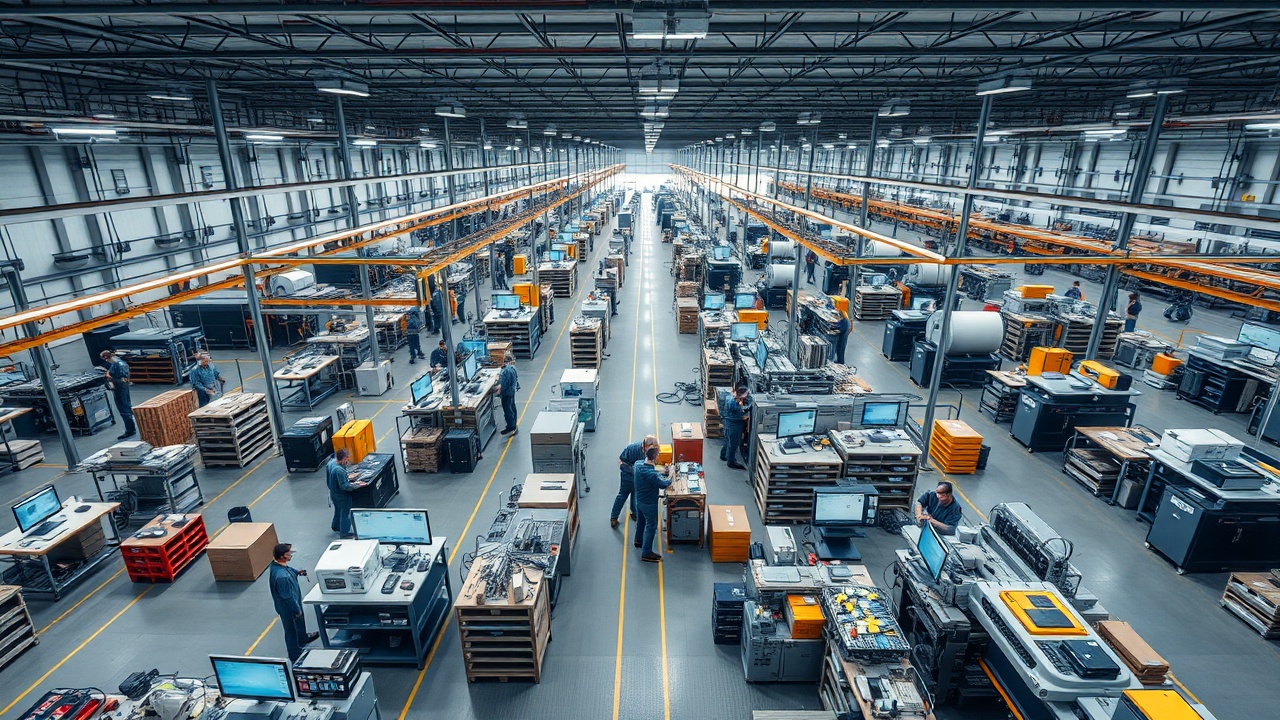
Manufacturing operations present unique process management challenges that don’t exist in other business sectors. Variable production schedules, quality control requirements, and multi-department coordination create constant operational complexity that traditional manual systems struggle to manage effectively. Each production run arriving at manufacturing facilities carries different resource requirements based on factors like material specifications, production volumes, and delivery timelines.
Resource utilization directly impacts every aspect of manufacturing profitability. Operations teams need to maintain updated production schedules across multiple variables including product lines, equipment availability, workforce allocation, and quality standards. Manual coordination systems simply cannot provide the real-time accuracy required for optimal decision-making in fast-paced manufacturing environments.
The Cost of Operational Inefficiencies
Every percentage point of operational inefficiency translates directly to reduced profitability. Case in point: Consider a manufacturing facility processing 50,000 units monthly – a 3% efficiency improvement delivers an additional 1,500 units of productive capacity. At current market values, this improvement can represent tens of thousands of dollars in additional monthly revenue while reducing operational waste costs.
Manufacturing efficiency studies demonstrate that significant opportunities exist across industrial sectors. Assessments of major production facilities identified potential annual savings exceeding $6.2 million through improved process integration and operational optimization, with productivity improvements alone accounting for $4.1 million in potential savings with payback periods under eighteen months.
SAP ERP Technology: Beyond Basic Resource Planning

Real-Time Data Capture and Validation
Production Management functionality represents the evolution of traditional planning systems into comprehensive operational control platforms. These integrated SAP solutions capture process data automatically at critical manufacturing points while validating against established parameters and customer specifications. Operators work through intuitive interfaces optimized for industrial environments, eliminating the accuracy problems associated with manual data entry in demanding production conditions.
The system automatically records actual performance metrics, compares them against target specifications, and triggers alerts when operations fall outside acceptable ranges. This real-time validation prevents quality issues from advancing through production stages where correction costs multiply exponentially.
Parameter Enforcement and Quality Control
Advanced process validation capabilities maintain product consistency while supporting both operational efficiency and regulatory compliance. The SAP system can be configured to halt production runs that exceed deviation thresholds or simply provide warnings depending on established business rules and customer requirements.
Parameter flexibility: Settings accommodate different product categories, customer specifications, and seasonal variations. Premium products might require tighter process controls, while standard grades allow broader operational ranges. The system automatically applies appropriate standards based on product classification and destination requirements.
Integrated Documentation and Compliance
Automated documentation generation ensures accuracy while reducing administrative workload. As products progress through manufacturing stages, the SAP system generates compliant documentation incorporating current process data, lot codes, customer-specific formatting, and regulatory compliance information. Industry-standard documentation includes all required traceability elements while accommodating special customer requirements.
Documentation regeneration functionality enables quick response to specification changes or last-minute modifications without disrupting production flow. The system maintains complete audit trails of all documentation activity, supporting both quality control and regulatory compliance requirements.
Production Floor Applications: Flexible Manufacturing Solutions
Dynamic Production Management
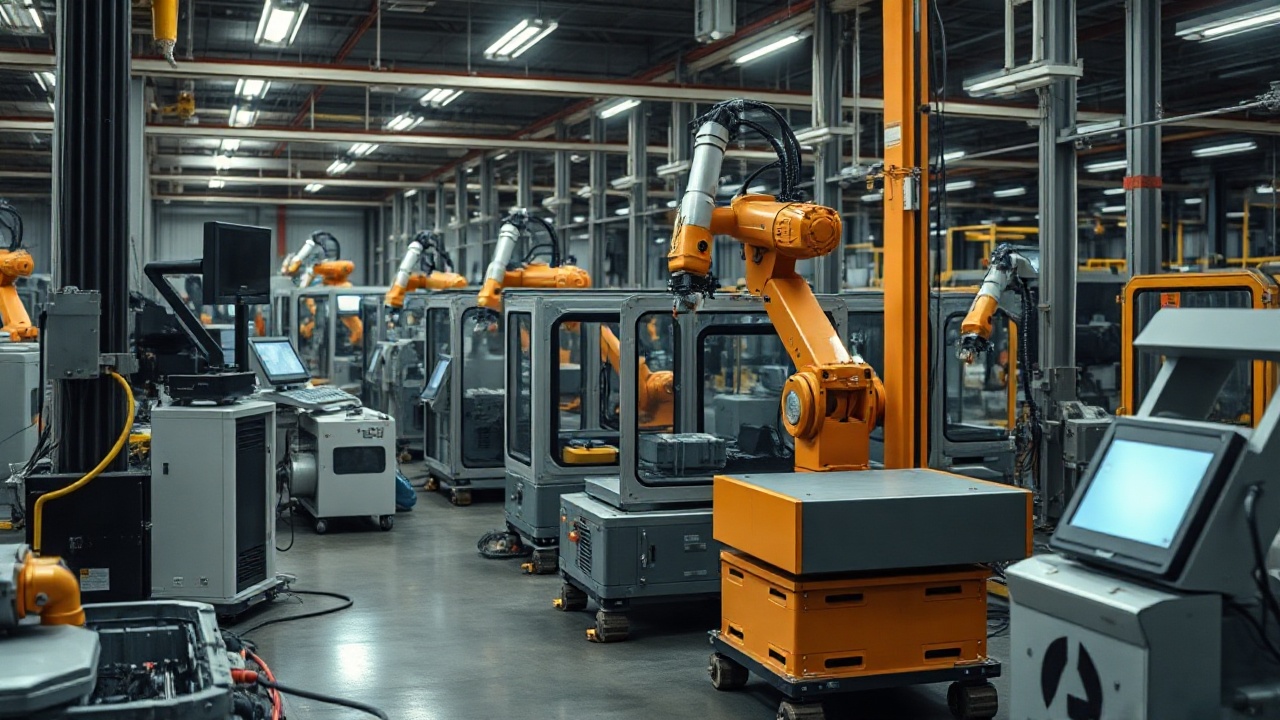
Flexible Production Mode addresses the reality of modern manufacturing where not every operation follows predetermined production schedules. Custom orders, rush projects, and prototype development require systems that maintain full traceability while accommodating spontaneous production decisions.
The interface supports both manual work order creation and barcode scanning, automatically generating compliant batch numbers and printing documentation in streamlined workflows. Pro tip: Express mode processing enables high-speed operations where confirmation steps would reduce throughput, while still maintaining complete process and traceability records.
Variable Process Precision
Variable production requirements demand specialized handling capabilities that standard management systems cannot provide effectively. Each production run, material batch, or custom specification carries unique characteristics that impact scheduling, inventory management, and customer satisfaction.
Integrated SAP systems automatically capture precise process parameters, calculate accurate resource requirements, and update inventory records in real-time. This precision eliminates common problems like overallocating scarce materials or underestimating production timeframes – issues that damage customer relationships and reduce profitability over time.
Batch Code Management
Automated batch generation eliminates manual errors while ensuring compliance with industry standards and customer requirements. The system can auto-generate lot numbers using customizable logic incorporating industry standards, date codes, facility identifiers, and customer-specific formatting requirements.
Recipe Manager integration ensures manufacturing follows validated specifications while maintaining lot-level traceability for all materials and process parameters. This combination of automated lot generation and recipe control creates robust foundations for both regulatory compliance and quality consistency.
Production Line Integration: Systematic Efficiency Optimization
Continuous Line Operations
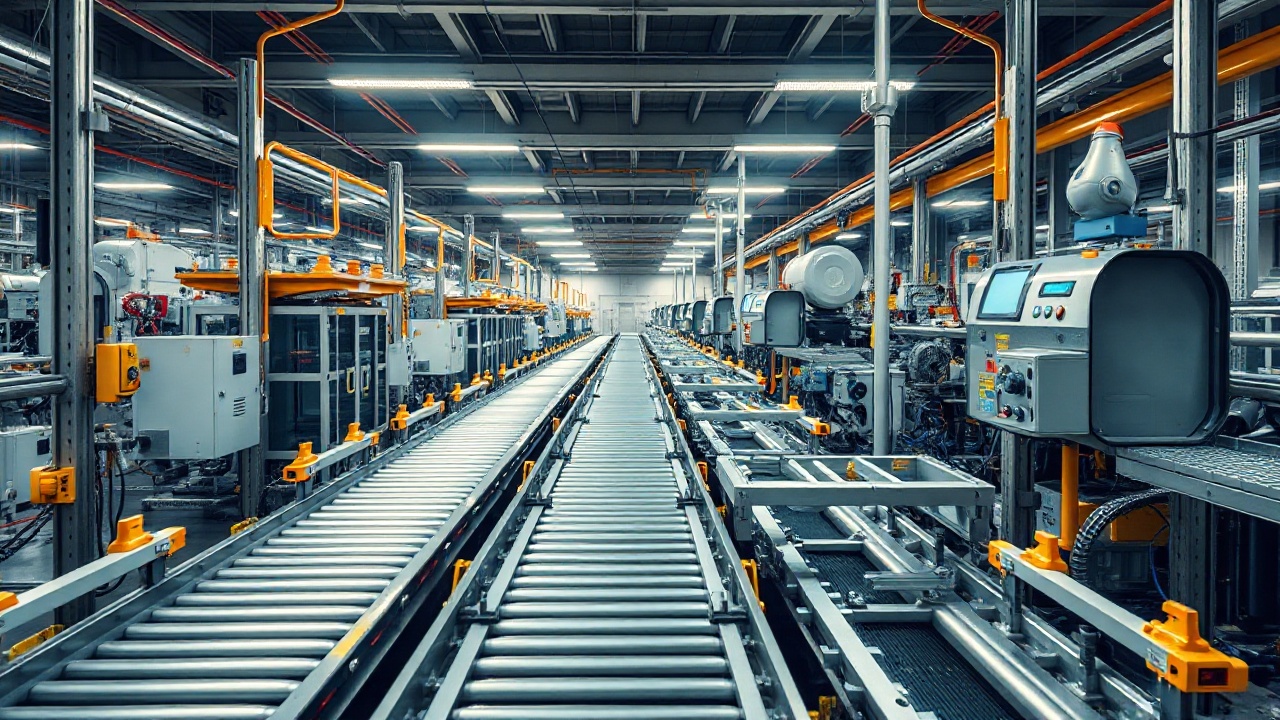
Production Line Mode transforms high-volume manufacturing operations by providing user-optimized interfaces that function effectively in industrial environments. Operators can capture process-integrated data, manage multi-line production schedules, and maintain real-time traceability records without requiring complex authentication procedures.
The system supports intuitive scheduling that enables dynamic response to changing priorities, customer requirements, or material availability. Production supervisors can reallocate resources, adjust line priorities, and optimize throughput based on real-time performance data.
Shift-Based Analytics
Real-time dashboard functionality provides immediate insight into manufacturing performance, enabling proactive management rather than reactive responses. Shift supervisors monitor line productivity, order completion status, efficiency metrics, and quality indicators, making adjustments to optimize throughput while maintaining quality standards.
Result: Dashboard capabilities extend beyond basic production metrics to include efficiency analysis, waste tracking, resource utilization, and compliance status indicators. This comprehensive visibility supports data-driven decision making that improves both operational efficiency and profitability.
Multi-Line Coordination
Integrated production management coordinates multiple manufacturing lines while maintaining independent control over each operation. The system tracks production progress across all lines, identifies bottlenecks, and suggests optimizations that improve overall facility efficiency.
Cross-line visibility enables resource sharing, load balancing, and coordinated scheduling that maximizes equipment utilization. When one line experiences delays, the system can automatically adjust schedules across other lines to maintain overall production targets.
Resource Management and Waste Reduction
Secondary Resource Recovery
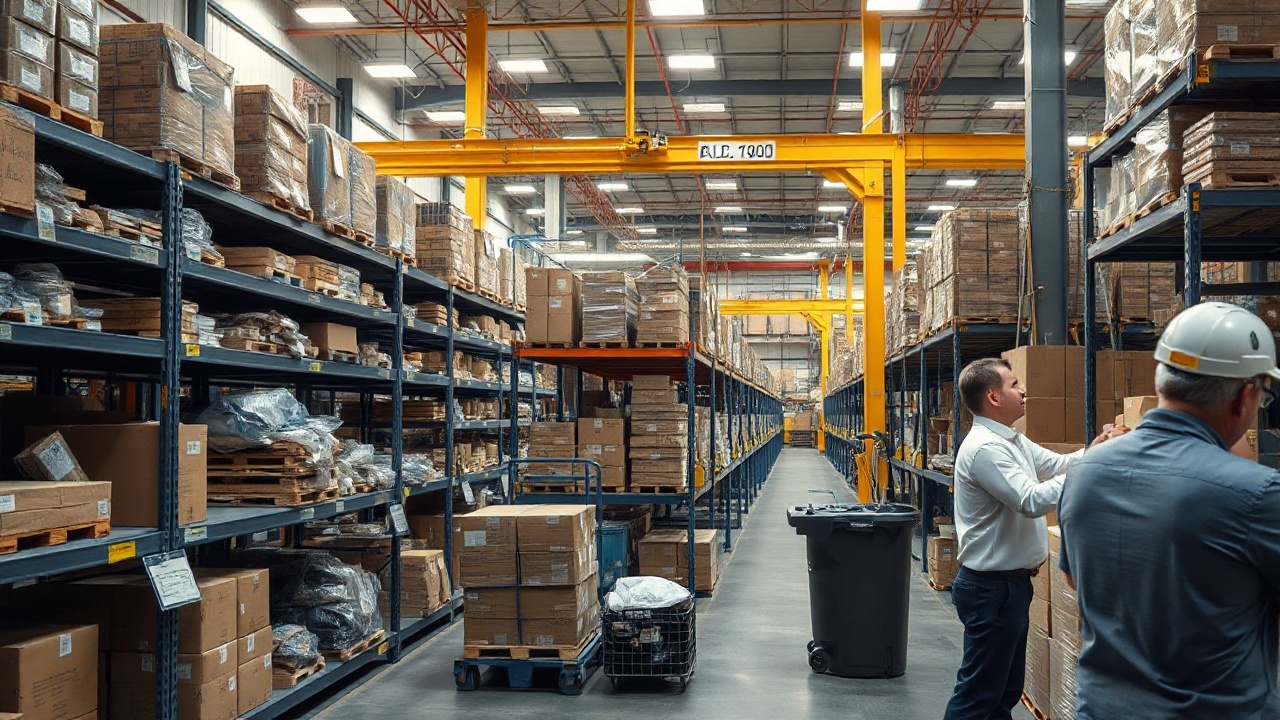
Comprehensive resource tracking captures value from materials that traditionally represented disposal costs. Modern manufacturing operations increasingly focus on maximizing utilization of every component, from primary materials to secondary outputs, byproducts, and process materials.
The system tracks quantities and disposition of all resources, enabling accurate costing of primary products while identifying revenue opportunities from secondary materials. Resource data supports decisions about processing methods, equipment investments, and market development initiatives.
Waste Stream Analysis
Detailed waste tracking identifies improvement opportunities while supporting environmental stewardship goals. The system captures waste generation at individual manufacturing stages, enabling analysis of equipment performance, operator techniques, and material quality impacts.
This data supports continuous improvement initiatives targeting efficiency optimization, equipment performance, and operator training programs. Manufacturers can identify which techniques, equipment settings, or material sources deliver optimal results and adjust operations accordingly.
Environmental Impact Measurement
Accurate resource measurement supports sustainability reporting and environmental management programs. Many manufacturers face increasing pressure to demonstrate responsible resource utilization and waste minimization efforts.
Integrated SAP systems provide precise measurements supporting sustainability calculations, regulatory reporting, and corporate responsibility initiatives. This data enables manufacturers to quantify environmental improvements and communicate stewardship efforts to customers and stakeholders.
Technology Infrastructure and Integration
User Interfaces for Industrial Environments
Manufacturing environments demand specialized interface design that functions reliably in challenging conditions, dust exposure, and with protective equipment. Traditional computer interfaces fail under these conditions, leading to data entry errors and operational inefficiencies.
Modern manufacturing SAP systems feature interfaces specifically engineered for industrial environments. Intuitive navigation, clear visual indicators, simplified workflows, and robust construction enable accurate data capture even when operators work in challenging conditions.
Equipment Integration Capabilities
Multiple equipment types integrate seamlessly with SAP management systems. Production machinery handles manufacturing processes, testing equipment manages quality control, and monitoring systems enable continuous operations. Each equipment type provides different capabilities while contributing to comprehensive operational management.
Advanced integration systems feature built-in networking capabilities, automatic calibration verification, and integration with plant information systems. This connectivity enables real-time data sharing across manufacturing operations while maintaining accuracy and reliability.
Data Management and Analytics
Comprehensive data capture supports advanced analytics that drive operational improvements. The SAP system collects detailed information about manufacturing performance, efficiency variations, quality metrics, and productivity indicators.
This data enables sophisticated analysis including trend identification, predictive modeling, and optimization recommendations. Manufacturers can identify patterns in operational performance, predict maintenance requirements, and optimize manufacturing parameters based on historical performance data.
Operational Intelligence and Performance Metrics
Efficiency Variance Analysis
Detailed efficiency tracking identifies improvement opportunities while providing accountability for manufacturing performance. The system compares actual results against established standards, identifying variances that require investigation or adjustment.
Variance analysis extends across multiple dimensions including product lines, equipment performance, operator effectiveness, and process efficiency. This multi-dimensional analysis helps identify root causes of performance variations and develop targeted improvement strategies.
Real-Time Performance Monitoring
Live production dashboards enable proactive management of manufacturing operations. Supervisors monitor key performance indicators including throughput rates, efficiency percentages, quality metrics, and productivity measures in real-time.
Dashboard alerts notify management when performance deviates from established targets, enabling immediate corrective action. This proactive approach prevents small issues from developing into larger problems that impact overall productivity.
Cost Optimization Analysis
Financial integration: Provides complete cost visibility across manufacturing operations. The system tracks material costs, processing expenses, efficiency performance, and revenue generation to provide comprehensive profitability analysis.
This financial visibility enables manufacturers to make informed decisions about pricing, customer relationships, and operational investments. Understanding true costs at granular levels supports strategic planning and competitive positioning.
Companies implementing comprehensive SAP integration position themselves for sustainable competitive advantage while competitors struggle with inefficient manual processes and mounting operational pressures.
SAP ERP technology creates comprehensive operational management platforms that optimize every aspect of manufacturing operations. From raw material procurement through final delivery, these systems provide the real-time visibility, accuracy, and control necessary for profitable operations in today’s demanding marketplace.
The combination of precise process control, automated compliance documentation, real-time performance monitoring, and advanced analytics creates powerful foundations for operational excellence. These systems enable manufacturers to maximize resource utilization, maintain consistent quality, satisfy regulatory requirements, and build stronger customer relationships – all while reducing operational costs and improving profitability.
As manufacturing continues evolving toward greater efficiency and accountability, SAP integrated systems provide the technological backbone necessary for long-term success. The question isn’t whether to implement these systems, but how quickly manufacturers can deploy them to capture competitive advantages while optimizing operational performance across all functions.
Transform Your Manufacturing Operations with Celeritech SAP Solutions
Ready to maximize your production efficiency and operational profitability? Celeritech’s SAP implementation experts specialize in manufacturing-focused solutions that deliver measurable results. Our proven methodology ensures seamless integration while minimizing operational disruption.
Contact Celeritech today to discover how SAP ERP integration can transform your manufacturing operations and position your organization for sustained competitive advantage.