




























What Is Landed Cost and Why Your Real Margin Never Matches Your Estimate
There’s a conversation we’ve had countless times with importers across Miami and Latin America. It starts like this: “We calculated a 22% margin on this product.” It ends like this: “When we closed the monthly numbers, our real margin was 14%.”
Eight percentage points of difference. In a business where margins are tight and volume sustains operations, those eight points aren’t just accounting details. They’re the difference between a profitable business and one working to cover its costs.
Reality check: According to Freightos 2025 data, 80% of importers underestimate their landed cost by 10-15% due to port delays and hidden fees. That gap isn’t shrinking—it’s growing as US tariff policies shift and supply chains face new volatility.
What Is Landed Cost and Why It’s So Hard to Calculate Correctly

Landed cost—also known as “cost of landing”—is the total real cost of bringing a product from supplier to your distribution point. It’s not just the supplier’s invoice price. It’s that price plus every cost that accumulates along the way.
The landed cost formula: Product Cost + International Freight + Insurance + Customs Duties + Port Delays + Local Transportation + Currency Impact
For a food import operation to the United States, these costs include:
- International freight: Ocean freight or air freight depending on product and urgency. FOB terms mean the importer pays from origin port, while CIF includes cost, insurance, and freight to Miami or another US destination port.
- Cargo insurance: Variable based on product type and shipping conditions. Many importers omit this in initial calculations and remember it only when there’s an incident.
- US import tariffs and duties: Variable by country of origin, HTS code, and active trade agreements. In today’s environment with US tariffs being redefined, this cost is more volatile than ever.
- Customs broker fees: Fixed or variable based on merchandise value and operation complexity. Added to container cost but frequently left out of initial calculations.
- Port storage and demurrage: One of the most underestimated costs. When a container in Miami, Houston, or Los Angeles isn’t picked up within the free period, delay charges start running at $100-500 per day.
- Local transportation: From port to warehouse, variable by distance, cargo type, and refrigeration requirements.
- Currency exchange: If purchases are in USD but sales are in local currency—Dominican pesos, bolívars, Colombian pesos—exchange rate fluctuations between purchase order and collection dates can significantly alter margins.
How Landed Cost Gets Lost in Practice
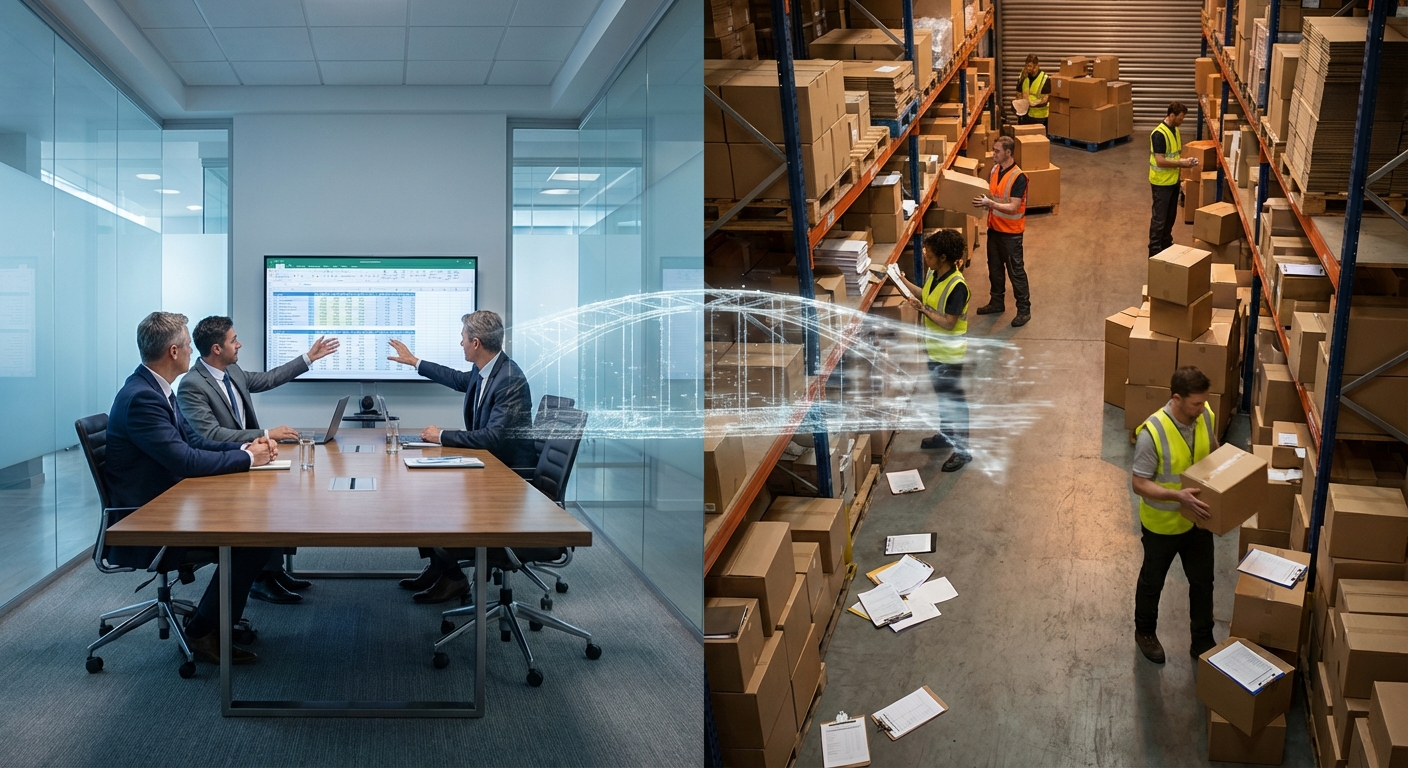
Without an integrated system, the landed cost capture process for food imports typically looks like this:
The supplier invoice arrives and gets recorded. The freight payment comes later—sometimes weeks later—and someone notes it in the container Excel sheet. Customs broker fees arrive on another invoice. Demurrage charges appear on a statement nobody was expecting. Local transport bills arrive on their own schedule.
“I bought a container from China thinking the margin was 25%, but with tariffs and port delays the real margin was 12%. How do I calculate the REAL landed cost?” — Reddit user ImportadorMX, discussing the gap between estimated and actual costs.
Case in point: By the time all these costs are finally captured, the corresponding inventory may be partially sold. The margin calculated then isn’t the margin that was realized—it’s an approximate reconstruction of what happened.
Real Example: Container from China to Miami
Consider a 40-foot container of food products:
- FOB price (China): $10,000
- Ocean freight: $2,800
- Insurance (1.5% of value): $150
- US customs duties (varies by HTS code): $1,200
- Customs broker fees: $450
- Port demurrage (3 days delay): $900
- Local transportation: $650
Total landed cost: $16,150 (62% higher than FOB price)
If your pricing was based on the $10,000 FOB cost, your margin calculation was off by $6,150 per container—enough to turn a profitable shipment into a loss.
Why Your Estimated Margin Never Matches Reality
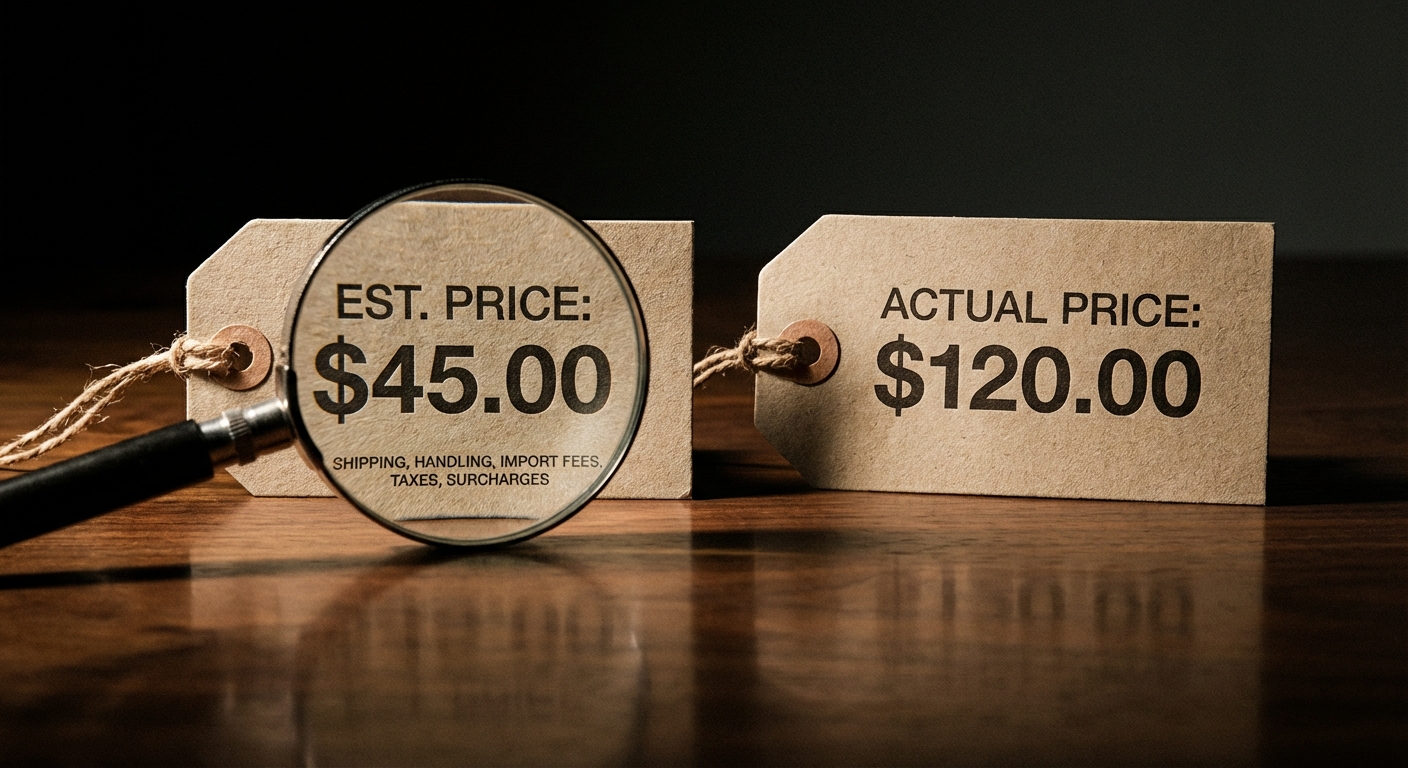
The “22% estimated vs 14% real margin” problem comes from several systematic issues:
- Volatile costs ignored in estimates: Port delays, currency fluctuations, and changing tariffs aren’t factored into initial calculations.
- Timing disconnects: Costs arrive at different times, making it impossible to capture the true landed cost when pricing decisions are made.
- Excel limitations: Spreadsheets can’t integrate real-time freight rates, tariff changes, or currency fluctuations.
- Hidden fees: Documentation fees, inspection charges, and handling costs that only surface after the fact.
Pro tip: According to USITC data, US tariffs on food products from China increased 25% in 2026, adding unexpected costs to importers who based pricing on historical rates.
The Currency Impact Factor
For importers selling in volatile markets like Venezuela, Colombia, or the Dominican Republic, currency fluctuation can add 5-8% variance to landed costs according to World Bank 2025 data. A product purchased at one exchange rate and sold at another can completely alter margin calculations.
How to Calculate Landed Cost Accurately
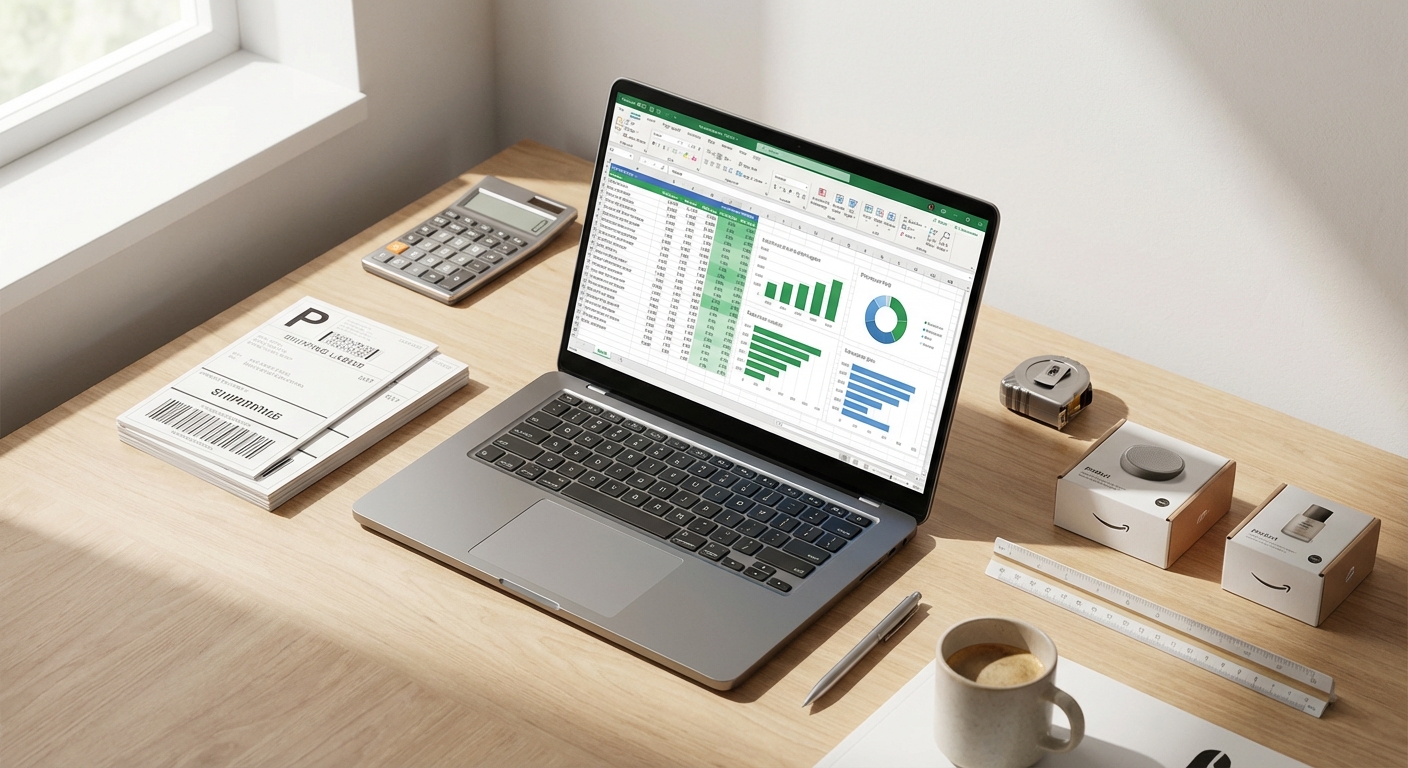
The precise landed cost formula requires capturing eight key components:
Landed Cost = FOB Price + (Freight × CBM) + (Duties × HTS Rate) + Insurance + Broker Fees + Port Delays + Local Transport + Currency Impact
Each component must be tracked in real-time:
- Product cost (FOB/CIF): Base supplier price
- International freight: Ocean or air, varies by volume/weight
- Insurance: Typically 1-2% of cargo value
- Duties and taxes: Based on HTS classification from CBP.gov
- Customs clearance: Broker fees and documentation
- Port charges: Terminal handling and potential delays
- Inland transportation: Port to final destination
- Incidental costs: Inspection, storage, handling
Common Calculation Errors That Kill Margins
- Ignoring demurrage: Port delays cost $500-2,000 per container according to 2025 US port data
- Using outdated tariff rates: HTS codes and duty rates change frequently
- Forgetting insurance: Cargo insurance is mandatory but often overlooked
- Currency timing: Using month-end rates instead of transaction-date rates
- Partial cost capture: Missing documentation fees and handling charges
How Integrated Systems Fix the Landed Cost Problem
When landed cost is integrated into operational flow—not as an accounting exercise after the fact—several things change:
Result: Each cost associated with the container gets captured when it’s known and automatically assigned to the inventory cost it generated.
Systems like SAP Business One allow importers to:
- Track each import cost component in real-time
- Automatically assign costs to specific inventory batches
- Calculate true per-unit landed costs
- Generate real margin reports by container, product, and supplier
- Handle currency fluctuations with transaction-date exchange rates
- Adjust costs automatically when delays or additional charges occur
The margin per container, per product, and per supplier becomes a real number, not an estimate. That number enables concrete decisions about which suppliers offer the best total cost, which products are actually profitable to import, and which routes or purchase terms are most efficient.
The Question Worth Asking Today
Do you know the real landed cost of your last container? Not the estimate you calculated before ordering—the final number, with all costs captured, expressed as cost per unit for each product that container brought.
If that answer takes more than ten minutes to construct, or requires consulting multiple people and systems, the landed cost problem is already affecting your business decisions. You’re buying, pricing, and evaluating suppliers with incomplete information.
In a market where margins are tight and US tariff policies are changing, that incomplete information has a cost that grows with every container.
Frequently Asked Questions About Landed Cost
What does landed cost include for US food imports?
Landed cost includes the supplier invoice price plus all costs until the product enters your Miami or US destination warehouse: international freight, cargo insurance, import duties, customs broker fees, port storage and demurrage charges, local transportation, and handling expenses. For operations with currency exposure—importers selling in the Dominican Republic, Venezuela, or Colombia—exchange rate impact is also part of the real cost.
How do US tariff changes affect landed cost calculations?
Directly and immediately. A tariff increase on an origin or product category increases the cost of each affected shipment. An importer in Miami without real-time visibility into their cost structure by product and origin cannot quickly evaluate the impact or make agile decisions—change suppliers, adjust prices, or seek alternative sources. Integrated systems allow modeling the impact of tariff changes on landed cost and margin before making decisions.
Why is my actual landed cost always higher than estimated?
Because estimates typically miss volatile components: port delays ($100-500/day), currency fluctuations (5-8% in volatile markets), unexpected documentation fees, inspection charges, and tariff changes. According to industry data, 80% of importers underestimate landed cost by 10-15% due to these hidden or variable costs that only surface after the container arrives.
Ready to Calculate Your Real Landed Cost?
Stop estimating and start knowing. Get the real numbers that drive profitable import decisions. Whether you’re importing from China, managing multi-product containers, or dealing with volatile currency markets, accurate landed cost calculation is the foundation of sustainable margins.
Don’t let another container arrive with surprise costs that kill your margins. Take control of your landed cost calculations today.