



























Lot Traceability ERP for Warehouse, Production, and Delivery
For most companies, lot traceability starts as a requirement. A customer demands better batch records. A quality team needs stronger recall readiness. A distributor must prove which shipment contained which lot. A manufacturer needs to connect raw materials to finished goods. But the real value of lot traceability ERP goes far beyond compliance.
When lot traceability is done correctly, it becomes an operational control system. It helps companies understand where inventory originated, how it moved, what it became, where it exists now, and which customer received it.
Pro tip: Basic inventory visibility isn’t enough at scale. A system may show 1,000 units available, but executives need to know which lot those units came from, which supplier provided them, whether any are expired or on hold, and which customers received them.
That’s where lot traceability ERP becomes powerful. It connects receiving, production, warehouse movement, labeling, fulfillment, and customer delivery into one traceable chain.
What Is Lot Traceability?
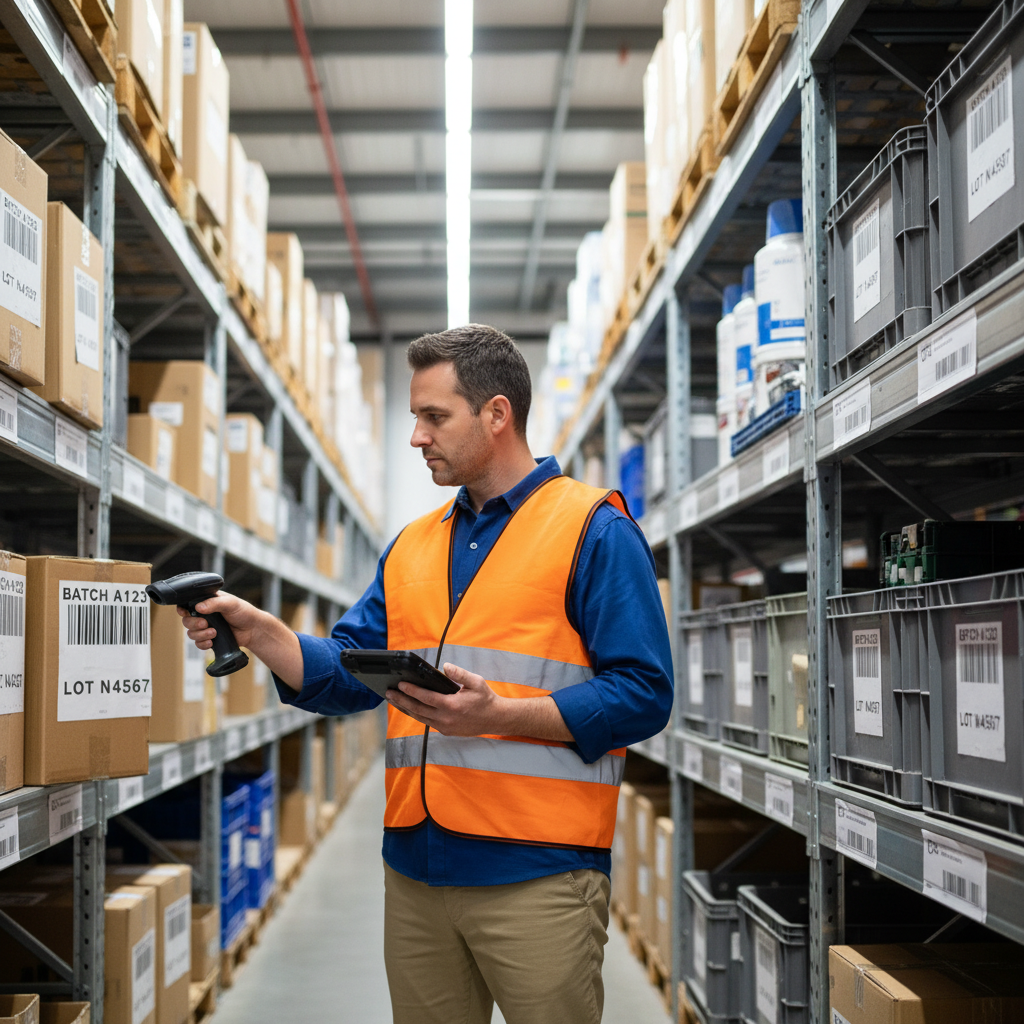
Lot traceability ERP is the ability to track inventory by lot, batch, or serial-controlled group across business processes inside an ERP system. It’s not just assigning a lot number — it’s creating a connected record of every important movement and transformation tied to that lot.
Lot Traceability vs Basic Inventory Tracking
Basic inventory tracking answers one question: How much do we have?
Lot traceability answers better questions:
- Which inventory do we have?
- Where did it come from?
- What happened to it?
- Where did it go?
- Who received it?
Case in point: A distributor may show 500 units available. But if 200 units are from one supplier lot, 150 are nearing expiration, 100 are on quality hold, and 50 are allocated to a customer order, the total quantity doesn’t tell the full story.
Forward Traceability vs Backward Traceability
A strong ERP traceability workflow connects physical inventory to system activity. Teams can see when the lot was purchased, which supplier provided it, where it was stored, whether it was consumed in production, which finished goods lot it became part of, and which customer received it.
Without ERP, lot traceability often depends on spreadsheets, paper documents, employee memory, and separate reports. That breaks down when the business grows.
Where Lot Traceability Begins
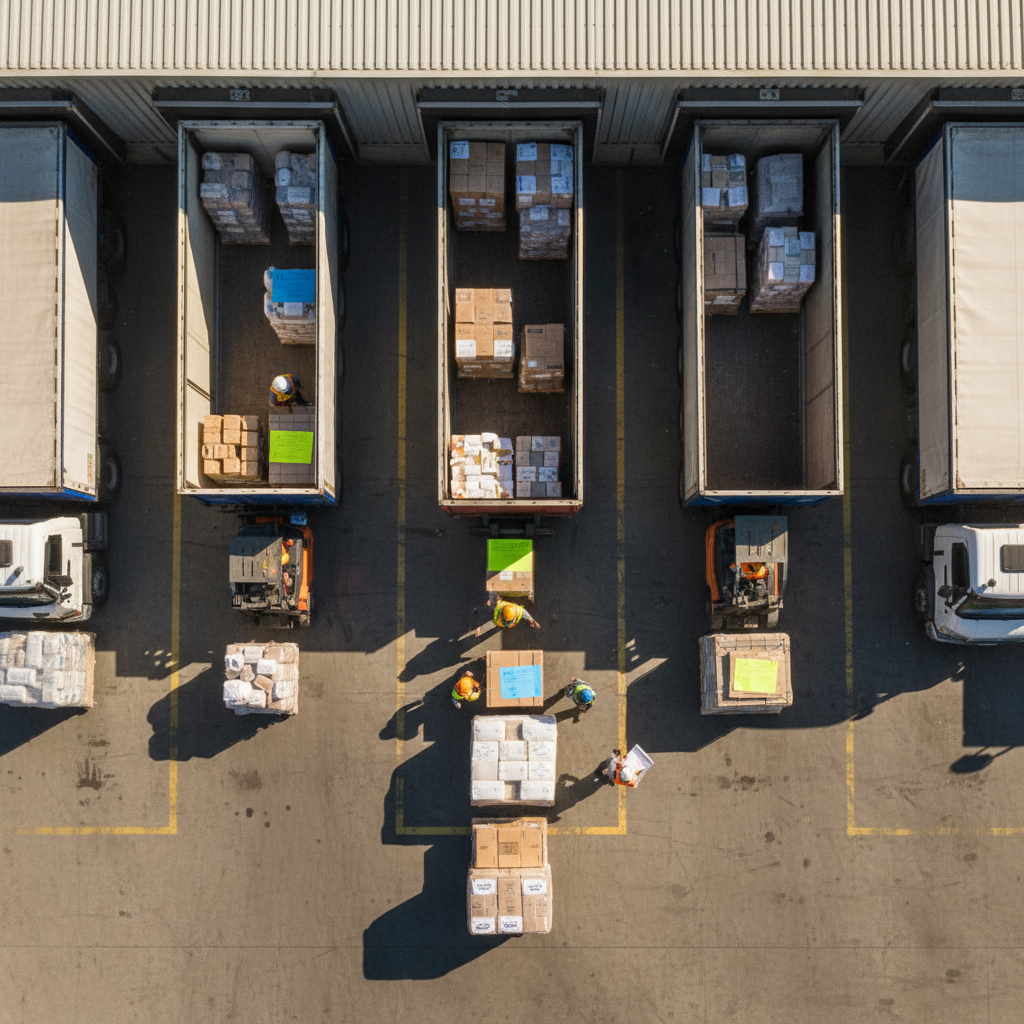
Lot traceability begins before a product ever reaches production or fulfillment. It starts with purchasing and receiving. If lot data is captured incorrectly at the beginning, every downstream process becomes less reliable.
Capturing Supplier Lots, Quantities, Dates, and Locations
At receiving, teams need to capture information that will follow the inventory through the business:
- Supplier name and supplier lot or batch number
- Internal lot number and item identification
- Quantity received and unit of measure
- Receipt date and expiration or shelf-life date
- Warehouse location and bin location
- Quality status and inspection result
Why Receiving Accuracy Determines Traceability Quality
Receiving is one of the most important control points in the traceability process. If the wrong lot number is entered, the wrong quantity is received, or the wrong location is selected, the ERP record no longer matches physical reality.
A strong lot traceability ERP process helps reduce these risks by creating required fields, standardized workflows, barcode scanning, approval steps, and inventory status controls.
Result: Companies can capture the right lot information at the first touchpoint, preventing downstream issues in production planning, warehouse picking, and customer delivery.
How Lot Traceability Supports Production

For manufacturers, lot traceability becomes even more important once raw materials or components enter production. Production changes inventory because it transforms one set of lots into another.
Linking Raw Material Lots to Finished Goods Lots
Manufacturers need to know which input lots were used to create which finished goods lots. That connection is essential for quality investigations, recall readiness, yield analysis, production costing, customer documentation, supplier performance tracking, batch consistency, and compliance support.
If a raw material lot is later found to have a quality issue, the company needs to identify every finished good that used that lot. Without connected ERP traceability, that investigation can take hours or days.
Tracking Yield, Rework, and Production Activity
Lot traceability gives manufacturers better production visibility. A production team can track which lots were consumed, which batch was produced, how much finished product was created, whether yield matched expectations, whether scrap or waste occurred, and whether the finished lot passed inspection.
This matters because production traceability isn’t only about where products went — it’s also about what happened during the manufacturing process.
Lot-Level Inventory Movement Across the Warehouse
Once inventory is received or produced, it rarely stays in one place. It moves through warehouses, bins, staging areas, production zones, quality areas, pick locations, shipping docks, and sometimes multiple facilities. Lot traceability must move with it.
Transfers, Bins, Storage Locations, and Status Control
Warehouse traceability includes more than knowing that a lot exists. Teams need to know:
- Which warehouse holds the lot
- Which bin or location contains it
- Whether it’s available, allocated, expired, damaged, or on hold
- Whether it moved between departments
- Whether it was transferred to another site
- Whether it was staged for production or shipment
- Whether it was partially picked or split
Preventing Visibility Gaps Between Warehouses and Departments
Traceability often breaks during movement. If the ERP system isn’t updated at each step, the business loses visibility. This creates problems like inventory that exists physically but not in the system, lots that cannot be found during picking, products shipped from the wrong batch, and delayed customer orders.
Pro tip: Lot traceability ERP helps companies close these gaps by making movement part of the controlled workflow.
Why Labeling Is Critical to Lot Traceability
Labels are where physical product identity meets digital system control. A label should make it clear what the product is, which lot it belongs to, and how it should be handled.
Lot Codes, Barcode Labels, and Item Identification
Effective labels may include item number, item description, lot number, batch number, serial number, expiration date, manufacture date, quantity, unit of measure, warehouse location, barcode or QR code, and customer-specific label details.
The purpose is to reduce guessing. When warehouse, production, or fulfillment teams scan or read a label, they should be able to connect the physical product to the correct ERP record instantly.
Keeping Traceability Data Attached to the Product
Traceability breaks down when lot identity becomes separated from the product. This can happen during repacking, relabeling, partial picking, kitting, assembly, blending, returns, transfers, quality holds, and damaged label replacement.
A strong ERP-supported labeling process helps ensure the lot identity stays with the product through every movement.
Connecting Fulfillment and Customer Delivery
The final step in the traceability chain is customer delivery. This is where lot control directly supports customer service, quality response, and trust.
Linking Shipped Lots to Sales Orders and Customer Records
When a customer receives a product, the business should know exactly which lot was shipped. That means lot data should connect to sales orders, pick tickets, packing slips, delivery documents, customer invoices, shipping records, customer locations, carrier information, shipment dates, and quantities shipped.
This connection allows customer service teams to answer questions quickly. If a customer asks, “Which batch did we receive?” the answer should be easy to find.
Improving Quality Response and Recall Readiness
Lot traceability supports better customer communication. If there’s a quality concern, warranty issue, product complaint, recall, or supplier investigation, the company can identify affected customers faster.
Result: Strong traceability helps answer which customers received this lot, which orders included it, when it shipped, how much was delivered, and whether any other finished goods included this lot.
Why Lot Traceability Matters for Executives
Lot traceability is often viewed as a warehouse, production, or quality responsibility. But at scale, it becomes an executive issue.
Traceability as a Business Control System
Executives need confidence that the business can answer critical questions quickly: What inventory do we have available to sell? Which inventory is restricted, expired, or on hold? Which supplier lots have quality concerns? Which finished goods are affected by a production issue? Which customers received a specific lot?
Lot traceability gives leadership operational control. It turns inventory data into a reliable business signal.
Better Decisions Across Inventory, Quality, and Profitability
Lot-level visibility supports stronger decisions across the company. It helps teams improve inventory accuracy, warehouse performance, production quality, supplier accountability, customer delivery confidence, recall readiness, expiration management, fulfillment accuracy, customer service response, and operational reporting.
For executives, this isn’t just a tracking function — it’s a way to reduce risk and improve business performance.
How ERP Creates End-to-End Lot Traceability
ERP brings lot traceability into one connected operating system. Instead of managing lots separately in purchasing, production, warehouse, and shipping, ERP connects the entire chain.
From Supplier Receipt to Customer Shipment
A complete lot traceability ERP workflow can connect purchase orders, supplier lots, goods receipts, quality inspections, internal lot numbers, inventory locations, bin movements, warehouse transfers, production orders, ingredient consumption, finished goods lots, labeling, sales orders, picking and packing, shipments, customer deliveries, invoices, and reporting.
This makes it possible to trace forward and backward across the business. A company can start with a supplier lot and see where it went, or start with a customer delivery and trace back to the original source.
Turning Lot Data Into Operational and Financial Visibility
Lot data isn’t only useful for quality and inventory teams. It also supports better financial and operational reporting. For example, lot-level data can help identify supplier quality trends, expiration-related losses, production yield issues, inventory write-offs, fulfillment delays, customer complaints, product returns, and margin impact by batch or product line.
When lot traceability is connected to ERP, leadership gets a clearer view of how product movement affects business performance.
Which Industries Need Lot Traceability?
Lot traceability matters for food and beverage companies, manufacturers, distributors, consumer goods brands, chemical companies, medical product suppliers, nutraceutical businesses, industrial suppliers, and any organization managing lot- or batch-controlled inventory.
- Food and Beverage: Expiration dates, FDA compliance, recall readiness
- Manufacturing: Raw material to finished goods genealogy
- Distribution: Supplier lot tracking to customer delivery
- Chemical and Pharmaceutical: Quality control and regulatory compliance
- Medical Products: Device history records and patient safety
- Consumer Goods: Warranty tracking and quality investigations
How Modern ERP Systems Support Lot Traceability
Modern ERP platforms are designed to support lot and batch traceability across purchasing, receiving, inventory movement, production, warehouse transfers, sales delivery, returns, and reporting. They help companies connect lot identity from supplier receipt through customer delivery.
Lot and Serial Tracking Across Inventory Transactions
ERP systems can support lot and serial tracking across inventory activities such as receiving, issuing, assembling, transferring, and shipping products. This helps companies connect inventory movement to the lot or serial-controlled product involved.
Multi-Warehouse Visibility and Expiration Control
Strong ERP systems support companies with complex inventory environments, including multiple warehouses, multiple bins or locations, lot and serial tracking, expiration dates, shelf-life management, picking workflows, inventory transfers, fulfillment visibility, and reporting dashboards.
Case in point: For companies that need traceability across warehouse, production, and customer delivery, modern ERP provides a strong foundation for connected operations.
Ready to Build Complete Lot Traceability?
Lot traceability is much more than a compliance checkbox. It’s the operational thread that connects supplier receiving, warehouse movement, production activity, labeling, fulfillment, and customer delivery.
When lot traceability is managed manually or across disconnected systems, teams lose visibility. Inventory becomes harder to trust. Quality investigations take longer. Customer questions become harder to answer. A strong lot traceability ERP process changes that.
For growing businesses, the goal is simple: Know where every lot came from, what happened to it, where it is now, and which customer received it. That’s traceability done right.
Book a call with our team of experts to learn more about implementing lot traceability ERP for your business!