



























Food Traceability List Compliance: Your Complete FSMA 204 Guide
The FDA’s Food Traceability Final Rule under FSMA Section 204 has fundamentally changed how food manufacturers track high-risk products. Companies handling items on the Food Traceability List (FTL) must now capture granular data and deliver it to the FDA within 24 hours during investigations. For small and midsize food manufacturers already operating on slim margins with perishable inventories, this mandate represents both a significant challenge and an opportunity to modernize operations.
Reality check: Retailers are already demanding compliance despite the FDA’s 30-month extension to July 2028. Missing these requirements risks recalls, fines exceeding $10,000, lost shelf space, and irreparable damage to consumer trust.
This comprehensive guide breaks down everything you need to know about Food Traceability List compliance, from understanding which foods require tracking to implementing systems that turn regulatory burden into competitive advantage.
What is the Food Traceability List?
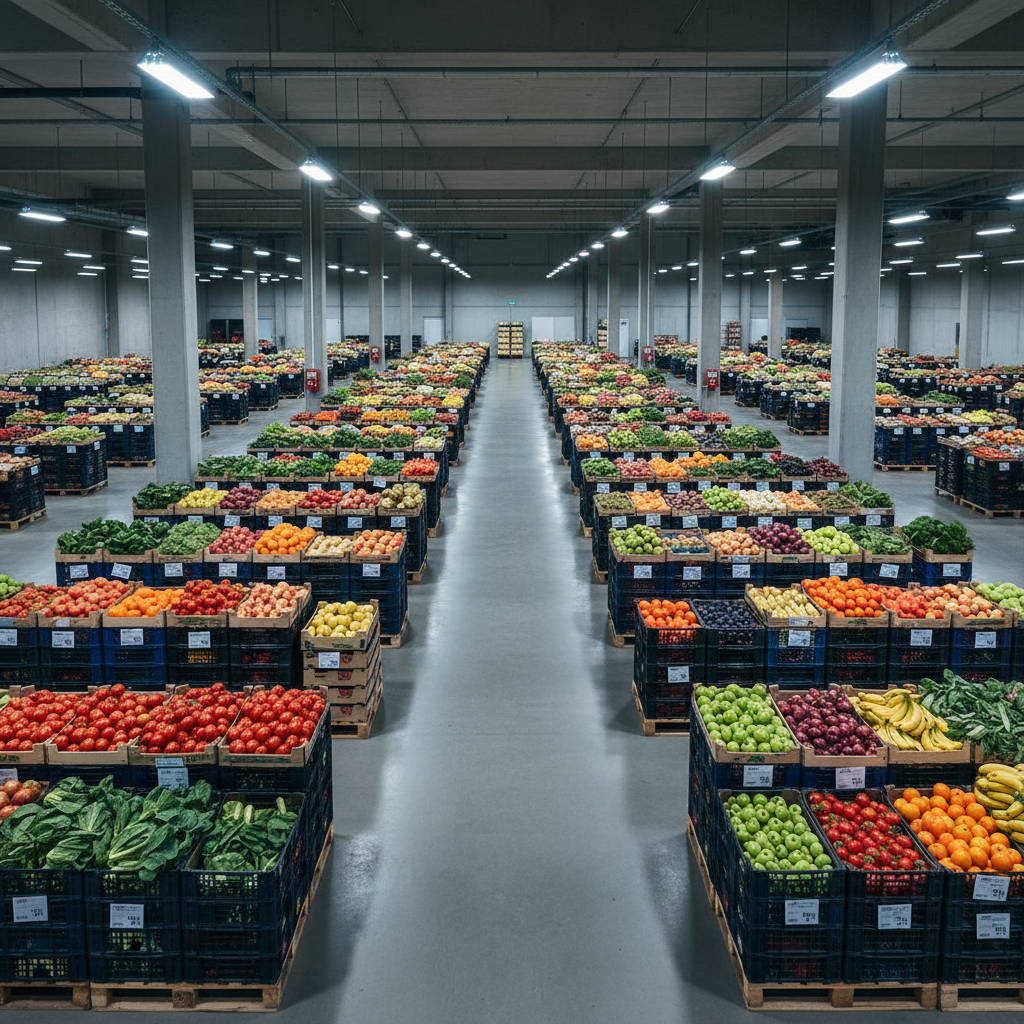
The FDA Food Traceability List identifies high-risk foods that have historically caused foodborne illness outbreaks. Using their Risk-Ranking Model, the FDA analyzed outbreak data from 2018-2022 and identified 21 commodity groups that require enhanced traceability under FSMA 204.
Foods on the FTL
The current Food Traceability List includes these high-risk categories:
- Leafy Greens: Romaine lettuce, spinach, arugula (responsible for 25% of produce-related outbreaks)
- Soft Cheeses: Brie, feta, queso fresco, blue cheese
- Finfish: Tuna, mackerel, and other histamine-producing species
- Nut Butters: Peanut, almond, cashew spreads
- Shell Eggs: Fresh chicken eggs in shell
- Fresh-Cut Fruits: Pre-packaged melons, berries, stone fruits
- Ready-to-Eat Deli Salads: Potato salad, coleslaw, pasta salads
Key insight: The FDA plans to review and update the FTL every five years. This moving target underscores the need for flexible tracking systems that can adapt to new requirements without costly overhauls.
FSMA 204 Requirements: CTEs, KDEs, and TLCs

Understanding the three core components of FSMA 204 compliance is essential for any manufacturer handling FTL foods.
Critical Tracking Events Breakdown
Critical Tracking Events (CTEs) are specific points in your supply chain where traceability data must be captured:
- Harvesting: Initial collection or production of FTL foods
- Cooling: First cooling of produce after harvest
- Initial Packing: First packaging operation
- First Land-Based Receiving: First receipt at a US facility
- Shipping: Distribution to the next supply chain partner
- Receiving: Accepting FTL foods from suppliers
- Transformation: Manufacturing processes that change the food’s nature
Key Data Elements Checklist
Key Data Elements (KDEs) are the specific data points you must capture at each CTE. Essential KDEs include:
- Traceability Lot Code (TLC) – unique identifier that follows the product
- Product description and quantity
- Unit of measure (pounds, cases, etc.)
- Product location and business identifiers
- Date and time of the CTE
- Reference document number (PO, invoice, etc.)
Pro tip: Each KDE must be linked to a Traceability Lot Code that follows the product through the entire supply chain, creating an unbroken chain of custody.
Compliance Deadlines, Extensions, and Penalties

The timeline for FSMA 204 compliance has created confusion in the industry, with conflicting pressures from regulators and retailers.
2028 FDA vs. 2026 Retailer Push
While the FDA extended the FSMA 204 compliance deadline by 30 months to July 2028, major retailers haven’t adjusted their expectations. Walmart, Kroger, and other industry giants are still demanding compliance by the original January 2026 timeline.
Reality check: “Lost Walmart shelf space over missing CTE logs” – this complaint from industry forums highlights how retailers are enforcing compliance regardless of FDA extensions.
Companies that delay compliance risk:
- FDA fines: Up to $1 million for willful violations
- Retailer delisting: Loss of shelf space and distribution contracts
- Expanded recalls: Inability to quickly isolate contaminated lots
- Brand damage: Consumer trust erosion during foodborne illness investigations
Why Legacy Systems Fail FTL Compliance

Many small and midsize manufacturers discover too late that their current tracking methods cannot handle FSMA 204 requirements. Traditional approaches fall short because they cannot:
- Issue unique TLCs at the moment of initial packing
- Link inbound ingredient lots to every finished-goods lot that consumed them
- Produce FDA-ready, sortable electronic spreadsheets within 24 hours
- Adapt when the FTL expands or customers demand additional attributes
Case in point: A leafy greens packer using spreadsheets described their situation on Reddit: “We’re scrambling for FSMA 204—spreadsheets are a nightmare during recalls.” Manual systems simply cannot keep pace with the speed and accuracy demands of modern food safety.
How Modern ERP Systems Simplify Food Traceability List Compliance

Enterprise Resource Planning (ERP) solutions designed for food manufacturing transform FSMA 204 compliance from a regulatory burden into a competitive advantage. These systems address the core challenges that manual processes cannot handle.
Automated Batch Traceability
Modern ERP systems assign batch numbers automatically during intake, production, and shipment. A single click reveals complete genealogy – supplier information, processing steps, quality control results, and customer delivery details for any lot.
Result: Root-cause investigation time drops from days to minutes, achieving industry-average time savings of 80%.
Instant FDA-Ready Reports
Advanced ERP systems generate the FDA’s required sortable electronic spreadsheet instantly. When regulators or retail customers request traceability data, the system exports pre-filtered reports by TLC and date range in seconds, ensuring you meet the 24-hour requirement with time to spare.
Real-Time Quality Control Integration
Integrated quality control modules prevent non-conforming lots from leaving your facility while tying test results directly to each batch. Allergen containment status follows products through every operation, supporting accurate labeling and recall readiness.
Benefits Beyond Compliance
While regulatory compliance drives initial ERP adoption, manufacturers quickly discover operational benefits that improve their bottom line:
- Accelerated recalls: Precise genealogy turns all-day recall events into hour-long tasks, limiting product waste and PR damage
- Reduced write-offs: FIFO/FEFO inventory logic prevents expired stock, cutting spoilage costs by double digits
- Enhanced customer confidence: Retailers gain assurance that products meet strict internal standards, improving supplier scorecards
- Higher throughput: Automated data capture frees staff from manual paperwork for value-adding activities
Industry data: Recalls cost an average of $10 million according to FMI research, making prevention through better traceability a clear ROI driver.
Building Your Traceability Plan
Creating an effective traceability plan requires systematic evaluation of your current processes and strategic technology investment:
- Assess current capabilities: Map existing tracking methods against FSMA 204 requirements
- Identify compliance gaps: Document where your system fails to capture required KDEs at CTEs
- Evaluate technology options: Compare ERP solutions based on food industry functionality
- Plan implementation timeline: Account for retailer deadlines, not just FDA enforcement dates
- Test and validate: Ensure your system can produce FDA-compliant reports before you need them
Frequently Asked Questions
What is the Food Traceability List?
The FTL is the FDA’s list of 21 high-risk food categories – including leafy greens, soft cheeses, and nut butters – that require enhanced traceability under FSMA Section 204.
When do manufacturers have to comply?
The FDA plans to enforce FSMA 204 starting July 2028, but many retailers are demanding compliance by January 2026. Missing retailer deadlines risks losing distribution contracts.
How do ERP systems help with FSMA 204?
ERP systems automate TLC assignment, capture KDEs during every CTE, and export FDA-required sortable spreadsheets within minutes, ensuring 24-hour compliance.
What happens if traceability data is missing?
Incomplete KDEs can trigger expanded recalls, FDA civil penalties exceeding $10,000, and loss of retailer contracts. Automated capture through ERP systems minimizes this risk.
Turn Compliance Into Competitive Advantage
Food Traceability List compliance doesn’t have to be a burden. With the right technology infrastructure, FSMA 204 requirements become the foundation for faster recalls, reduced waste, and stronger customer relationships. Early adopters will be the suppliers that retailers trust when the next contamination crisis hits.
Don’t wait for FDA enforcement or retailer ultimatums. The manufacturers who invest in comprehensive traceability systems today will dominate tomorrow’s food safety landscape.